Cultivating the Future: The Promise of Lab-Grown Meat
 0
 0
The future of our food system is poised on the brink of a revolution, with lab-grown meat at the vanguard of this transformation. This innovation, which might have seemed like science fiction a few decades ago, is becoming increasingly viable and presents a fascinating confluence of science, ethics, and environmental stewardship.
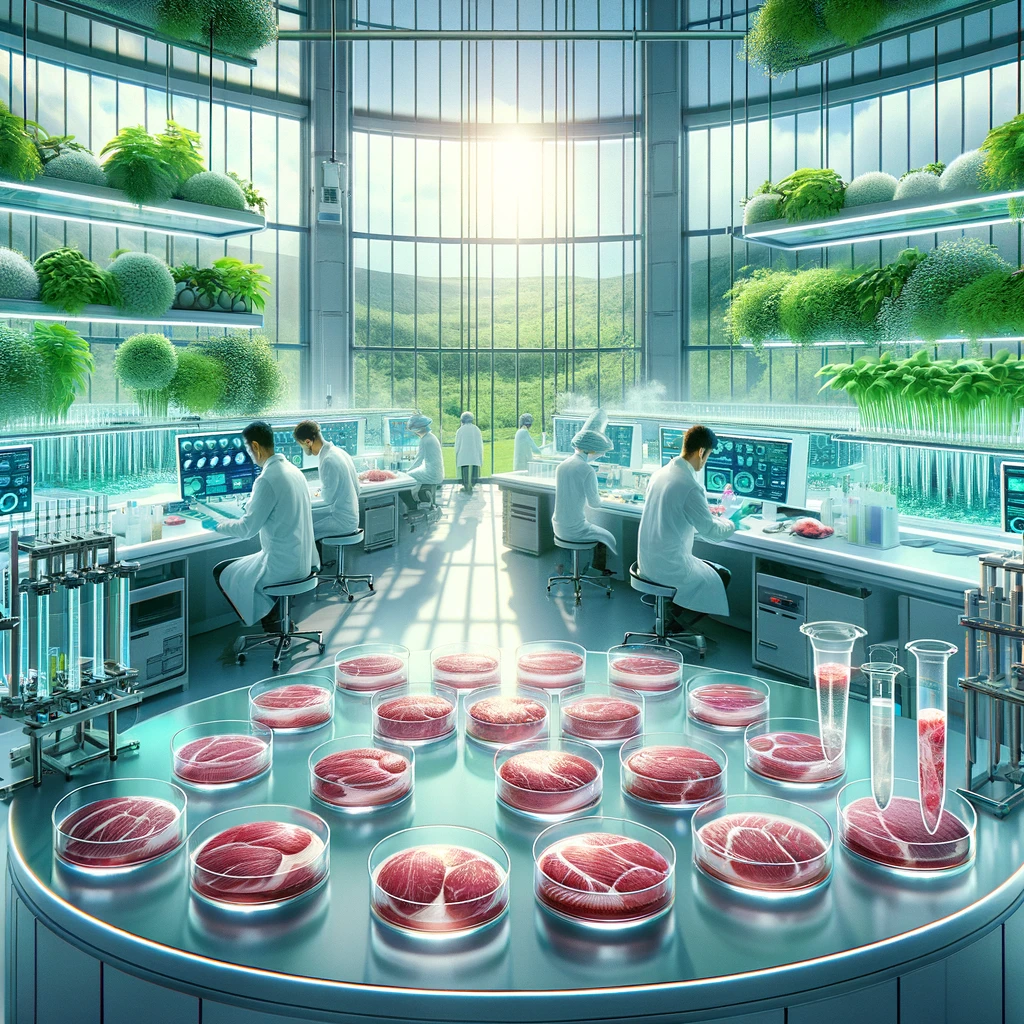
Lab-grown meat, also known as cultured or cell-based meat, is produced by cultivating animal cells in a lab rather than raising and slaughtering animals. This process starts with taking a small sample of animal cells and nourishing them in a bioreactor, where they are provided with the warmth and nutrients they need to grow. Over time, these cells multiply and can be harvested as meat. This groundbreaking approach to meat production could drastically alter our food system, impacting everything from animal welfare to climate change.
From a scientific perspective, the technology behind lab-grown meat is a testament to human ingenuity and our growing understanding of cellular biology. By replicating the natural process of muscle growth in a controlled environment, scientists can produce meat that is biologically identical to its conventionally farmed counterpart. This process eliminates many of the inefficiencies associated with traditional livestock farming, where vast amounts of resources are required to produce a relatively small amount of meat.
The ethical implications of lab-grown meat are profound. For many, the prospect of consuming meat without the need for animal slaughter offers a more humane alternative to traditional meat production. This could lead to a significant reduction in animal suffering and potentially transform the ethical landscape of our dietary choices.
Environmentally, the potential benefits of lab-grown meat are significant. Livestock farming is a major contributor to greenhouse gas emissions, deforestation, and biodiversity loss. Cultured meat production requires significantly less land and water and produces a fraction of the emissions compared to conventional meat production. As such, it offers a promising solution to some of the most pressing environmental challenges of our time, including climate change and habitat destruction.
However, the journey from lab to plate is not without its challenges. Scaling up lab-grown meat production to meet global demand, ensuring it is affordable, and overcoming consumer skepticism are just a few of the hurdles that need to be addressed. Moreover, there are regulatory and safety considerations that must be navigated to ensure that lab-grown meat is safe for consumption and properly labeled.
Lab-grown meat represents a fascinating intersection of technology, ethics, and environmentalism. As we look to the future, it holds the promise of transforming our food system in ways that are more sustainable, ethical, and efficient. While there are certainly challenges ahead, the potential benefits of lab-grown meat could make it an integral part of our efforts to address some of the most pressing issues facing our planet.