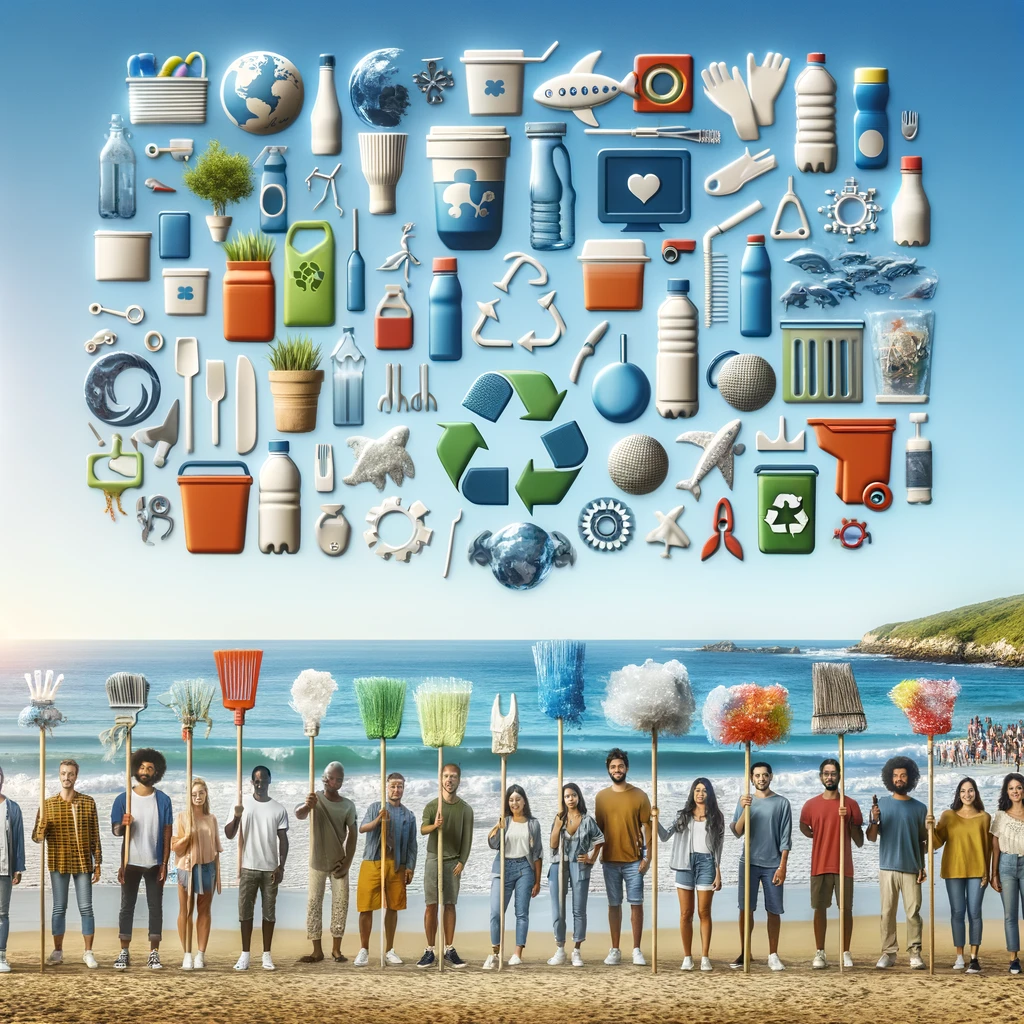
Pioneering the Future: Global Innovations in Tackling Plastic Pollution
 0
 0
In an era where plastic pollution has burgeoned into a dire global crisis, affecting marine life, disrupting ecosystems, and posing significant health risks to humans, innovative solutions are more crucial than ever. Across the globe, a wave of ingenuity and technological advancement is leading the charge against this relentless tide of plastic waste. From the development of biodegradable materials to sophisticated recycling technologies, the fight against plastic pollution is being waged on multiple fronts.
At the heart of these efforts is the push towards a circular economy, a system aimed at eliminating waste and the continual use of resources. Traditional linear models of consumption—take, make, dispose—are being challenged and replaced with more sustainable practices designed to keep materials in use for as long as possible. This shift is crucial in tackling plastic pollution, as it focuses on reducing the need for new plastic production, encouraging the reuse of products, and, when their lifespan is over, recycling materials into new items.
One of the most promising developments in this arena is the creation of bioplastics. Made from natural materials such as corn starch, sugarcane, and algae, bioplastics offer a renewable and often biodegradable alternative to conventional petroleum-based plastics. While not a panacea for all plastic pollution—bioplastics have their own environmental considerations—their development represents a significant step towards reducing the reliance on fossil fuels and mitigating the impact of plastic waste.
In the realm of recycling, novel technologies are emerging that enhance the efficiency and effectiveness of plastic waste processing. Chemical recycling, for instance, breaks down plastics at the molecular level, transforming them back into the raw materials from which they were made. This process allows for the recycling of plastics that were previously considered non-recyclable, opening up new avenues for waste management and reducing the amount of plastic entering landfills and oceans.
Global initiatives such as The Ocean Cleanup project exemplify the international commitment to combating plastic pollution. By developing advanced systems to remove plastic from the world’s oceans, these efforts not only address the existing waste but also raise awareness about the importance of preventing plastic pollution in the first place. Similarly, grassroots movements and community-led programs around the world are proving that localized action can have a global impact, encouraging individuals to adopt more sustainable practices in their daily lives.
Governments and industries are also playing a crucial role in this fight, implementing policies and innovations aimed at reducing plastic usage and enhancing recycling capacities. From bans on single-use plastics to investments in recycling infrastructure, these measures are critical for supporting the transition to a more sustainable future.
Despite the challenges that lie ahead, the global response to plastic pollution is a testament to human ingenuity and resilience. As these innovative solutions continue to evolve and expand, there is a growing sense of optimism that the tide can be turned on plastic pollution. By working together, embracing new technologies, and fostering a culture of sustainability, it is possible to protect our planet for future generations.