The Future of Smartphones: Beyond the Glass Slab
 0
 0
In the past decade, the smartphone has evolved from a luxury to a near-ubiquitous device, integral to our daily lives. However, recent years have seen a plateau in groundbreaking innovations, leading to discussions about whether the evolution of smartphones has stagnated. This article explores the current state of smartphone technology and speculates on the direction it might take in the next ten years.
The early years of smartphone development were marked by rapid advancements. Year after year, consumers were treated to significantly improved cameras, faster processors, and more refined operating systems. These tangible improvements made each new model feel like a substantial upgrade over the last. However, as technology matured, the yearly iterations began to show diminishing returns. The improvements, while still present, became more incremental than revolutionary. This perceived stagnation has sparked a debate about the future of smartphone innovation.
Despite appearances, the industry is far from stagnant. Manufacturers are exploring various technologies that could redefine the smartphone experience. One area of development is foldable screens, which have already entered the market but remain a niche due to their high cost and durability concerns. Over the next decade, as these issues are addressed, foldable devices could become mainstream, offering a tablet-like experience in a pocket-friendly form factor.
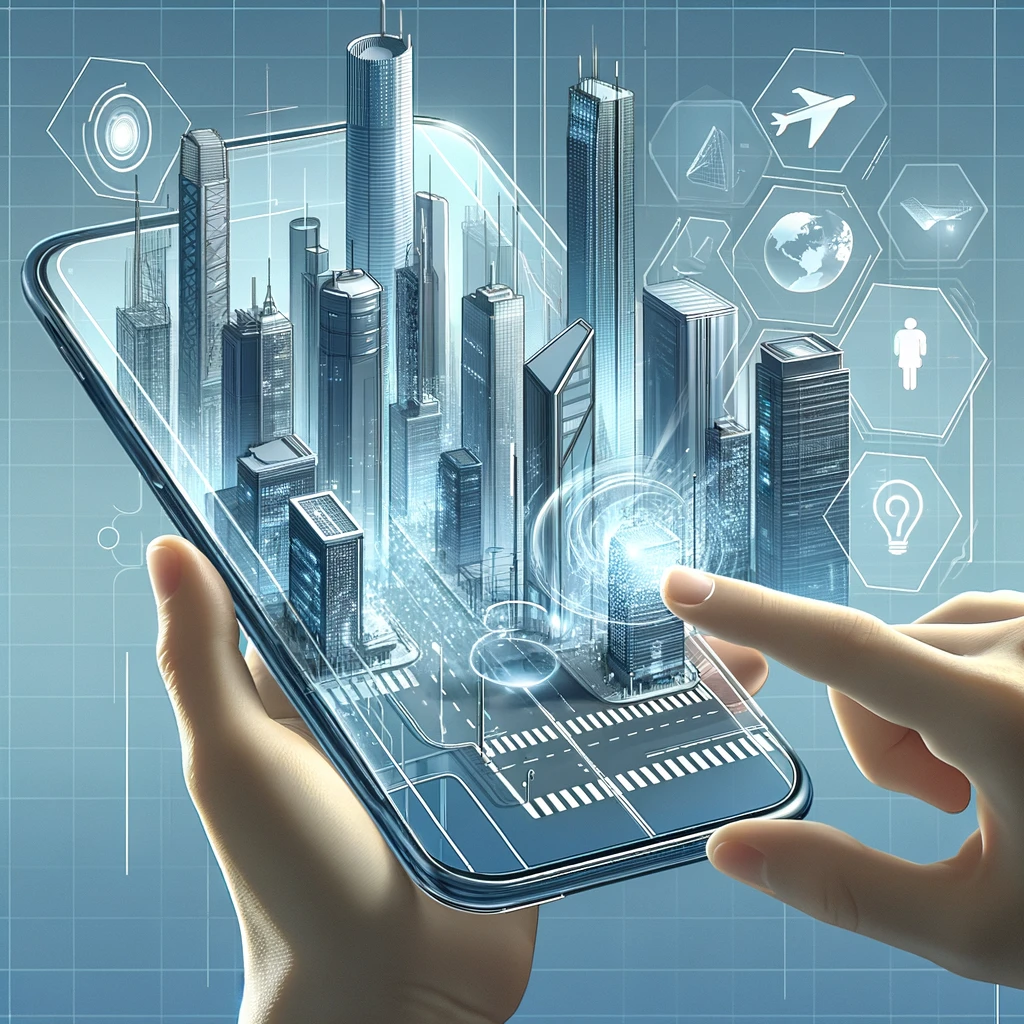
Another promising avenue is the integration of augmented reality (AR) and virtual reality (VR) capabilities. Current AR applications on smartphones are limited by the small screen size and the need to hold the device. Future smartphones might incorporate more advanced AR and VR features directly, with better sensors and optics, possibly even moving towards devices that can project or overlay digital information seamlessly onto the physical world without the need for handheld devices.
Battery technology is another critical area ripe for innovation. The quest for longer-lasting batteries could lead to the adoption of new materials like graphene or the development of fast-charging technologies that can replenish a battery in minutes. Such advancements would address one of the most significant limitations of current smartphones, their reliance on frequent charging.
Artificial intelligence (AI) is set to play an increasingly central role in the smartphone ecosystem. Future smartphones might offer truly personalized experiences, learning from user behavior to optimize performance, improve energy efficiency, and even predict user needs. This could manifest in smarter virtual assistants, more intuitive interfaces, and apps that adapt to individual usage patterns.
Finally, the concept of the smartphone itself may evolve. The future could see the rise of modular smartphones, where users can upgrade individual components such as the camera, processor, or battery, reducing electronic waste and allowing for a more personalized device. Alternatively, the smartphone might become just one part of a broader ecosystem of interconnected devices, with wearable technology, smart home devices, and even implantable chips working in concert to provide the functionalities currently confined to our handheld devices.
While the pace of smartphone innovation may appear to have slowed, the industry is on the cusp of several breakthroughs that could redefine what a smartphone is and what it can do. The next ten years promise to be an exciting period of transformation, with advancements in foldable technology, AR/VR integration, battery life, AI, and the concept of connectivity itself. The evolution of smartphones is far from over; it is merely entering a new, more nuanced phase.