The Future is Now: Exploring the Impact of Augmented Reality on Everyday Life
 0
 0
In recent years, augmented reality (AR) has transitioned from a futuristic concept to a practical tool that is reshaping how we interact with the world around us. This innovative technology overlays digital information onto the physical world, enhancing our perception of reality through devices such as smartphones, tablets, and AR glasses. Its impact is far-reaching, with significant transformations evident across various industries, including education, healthcare, and retail. This exploration delves into the transformative power of AR and its implications for the future of interactive experiences.
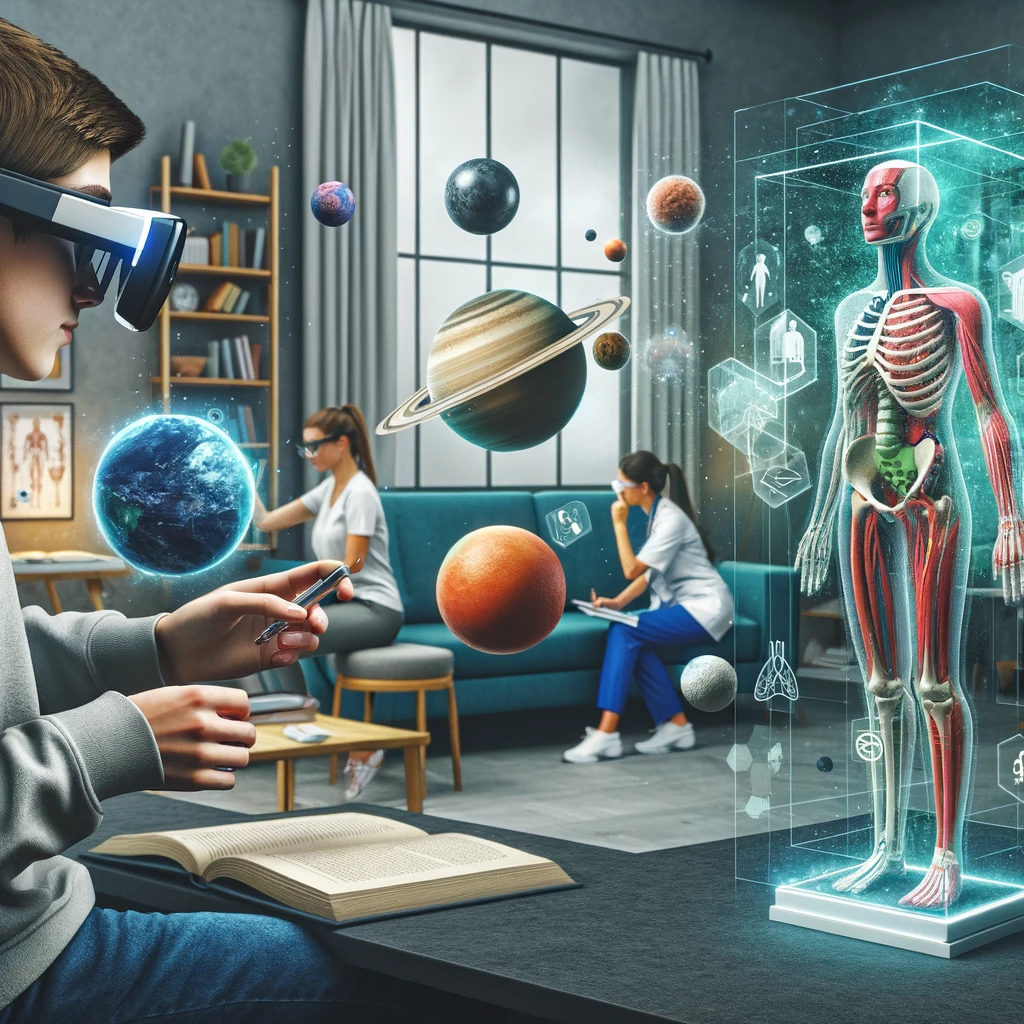
In the realm of education, AR offers an immersive learning experience that transcends traditional teaching methods. By superimposing digital information onto the physical environment, students can visualize complex concepts in a way that is both engaging and informative. Imagine exploring the solar system with planets orbiting around the classroom or dissecting a virtual frog without the need for physical specimens. This hands-on approach not only enhances understanding but also fosters a deeper interest in learning. The interactive nature of AR can cater to various learning styles, making education more inclusive and accessible to students with different needs.
Healthcare is another sector witnessing revolutionary changes thanks to AR. Surgeons can now use AR glasses to overlay crucial information, such as the patient’s vital statistics and 3D models of organs, directly onto their field of vision during procedures. This real-time access to data can improve precision and reduce the risk of complications. Furthermore, AR applications in rehabilitation are enabling patients to engage in interactive exercises from the comfort of their homes, thus enhancing the efficiency and effectiveness of treatment plans.
The retail industry is also harnessing the potential of AR to revolutionize the shopping experience. Consumers can use their smartphones or AR glasses to visualize how furniture would look in their home before making a purchase or try on clothes virtually without the need to physically change. This not only enhances customer satisfaction but also reduces the likelihood of returns, benefiting both consumers and retailers. Moreover, AR-enabled advertisements can create immersive experiences that engage customers in a novel and memorable way, opening new avenues for marketing and brand engagement.
Beyond these industries, AR is paving the way for innovative applications in fields such as tourism, where travelers can access real-time information about landmarks simply by pointing their devices at them, and in gaming, where players can interact with virtual elements superimposed onto their real-world environment, blurring the lines between the virtual and the physical.
As AR technology continues to evolve, its integration into our daily lives will become even more seamless, heralding a future where the distinction between digital and physical realms grows increasingly blurred. The potential for AR to enhance learning, improve healthcare outcomes, and transform consumer behavior is vast, promising a future where interactive experiences become the norm rather than the exception. As we stand on the brink of this new reality, it’s clear that the future is not just coming; it’s already here.