The Impact of Remote Work on Urban Development
 0
 0
In recent years, the seismic shift toward remote work has begun to reshape the fabric of our cities, influencing real estate markets, local economies, and urban planning in profound ways. This transition, accelerated by the global pandemic, has not only altered where we work but how cities develop and thrive in this new era.
The most noticeable impact of remote work on urban development is the change in real estate dynamics. Initially, cities were designed around central business districts (CBDs), where office buildings clustered, pulsing with the daily rhythm of commuters. However, the widespread adoption of remote work has led to a decreased demand for office space in these urban cores. Companies, now recognizing the feasibility of remote operations, are downsizing their physical offices or adopting hybrid models, leaving a notable surplus of commercial real estate in their wake. This shift presents both challenges and opportunities for urban development. On one hand, it puts pressure on property values and municipal finances, heavily reliant on commercial tax revenues. On the other, it opens the door for creative repurposing of spaces, from converting office buildings into residential units to creating mixed-use developments, thus revitalizing downtown areas and potentially reducing urban sprawl.
Beyond real estate, the rise of remote work is also transforming local economies. With fewer people commuting to city centers, small businesses that once thrived on the patronage of office workers—coffee shops, lunch spots, dry cleaners—face new challenges. This shift necessitates a reimagining of urban commercial zones, perhaps towards more residential-focused amenities and services. However, it’s not all bleak; suburban and rural areas are seeing economic boosts as remote workers relocate for more space and a lower cost of living, spreading wealth more evenly across regions.
Urban planning and infrastructure are also under revision in the wake of remote work’s rise. The traditional focus on roads and public transport systems designed to shuttle workers to and from CBDs is expanding to include improved broadband connectivity as a core utility, akin to water or electricity. This acknowledges the home as a new center of work and productivity. Furthermore, with the reduction in daily commutes, cities have a unique opportunity to rethink transportation networks, potentially reducing reliance on cars and investing in greener, more sustainable modes of transport.
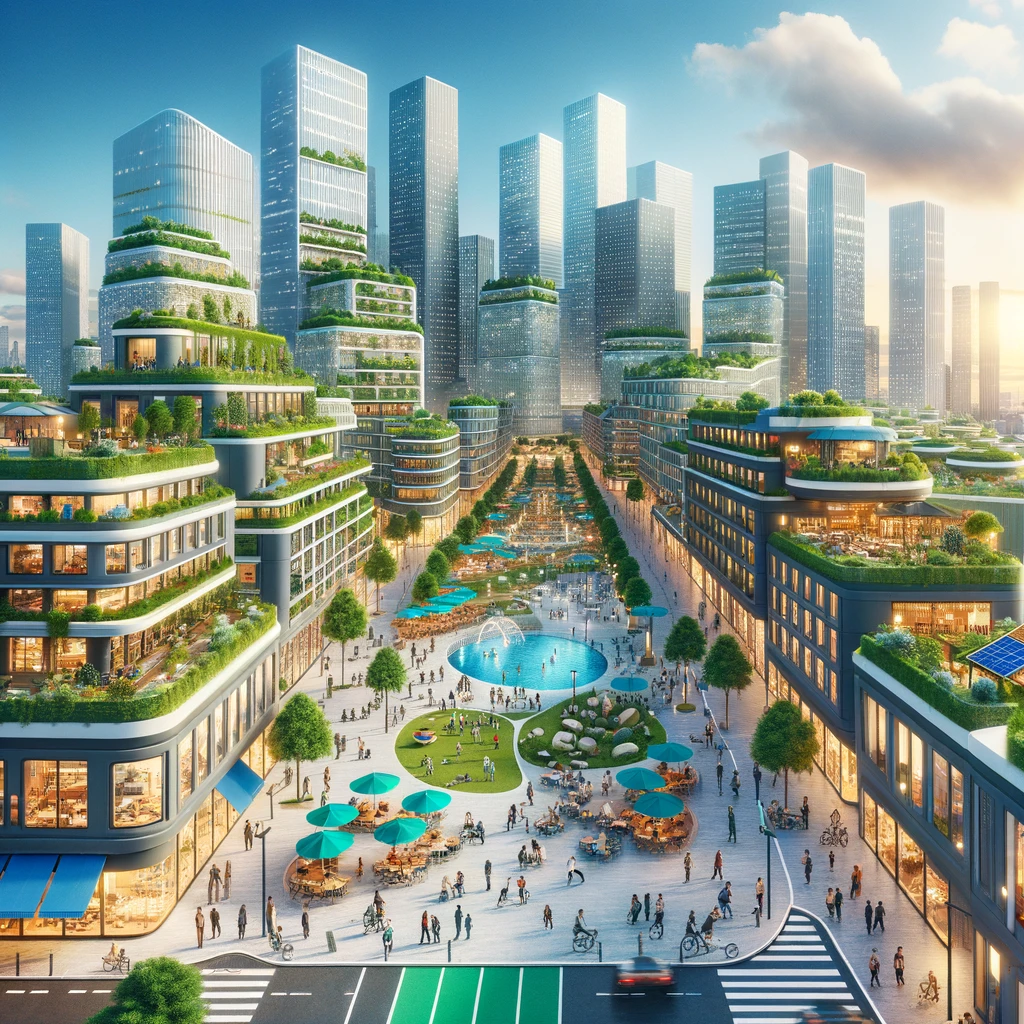
Additionally, the concept of “15-minute cities,” where residents can access most of their needs within a short walk or bike ride from their homes, gains traction. This model promotes a balanced, localized lifestyle that could reduce the environmental impact of cities and enhance the quality of life for residents. It aligns well with the needs of remote workers, emphasizing the importance of accessible, multifunctional urban spaces that cater to a blend of residential, commercial, and leisure activities.
The shift to remote work is acting as a catalyst for significant changes in urban development. While it poses challenges, particularly in the adaptation of real estate markets and local economies, it also offers opportunities for making cities more livable, sustainable, and equitable. Urban planners and policymakers must navigate these changes thoughtfully, ensuring that the cities of tomorrow are built on the lessons of today, embracing flexibility, inclusivity, and resilience.