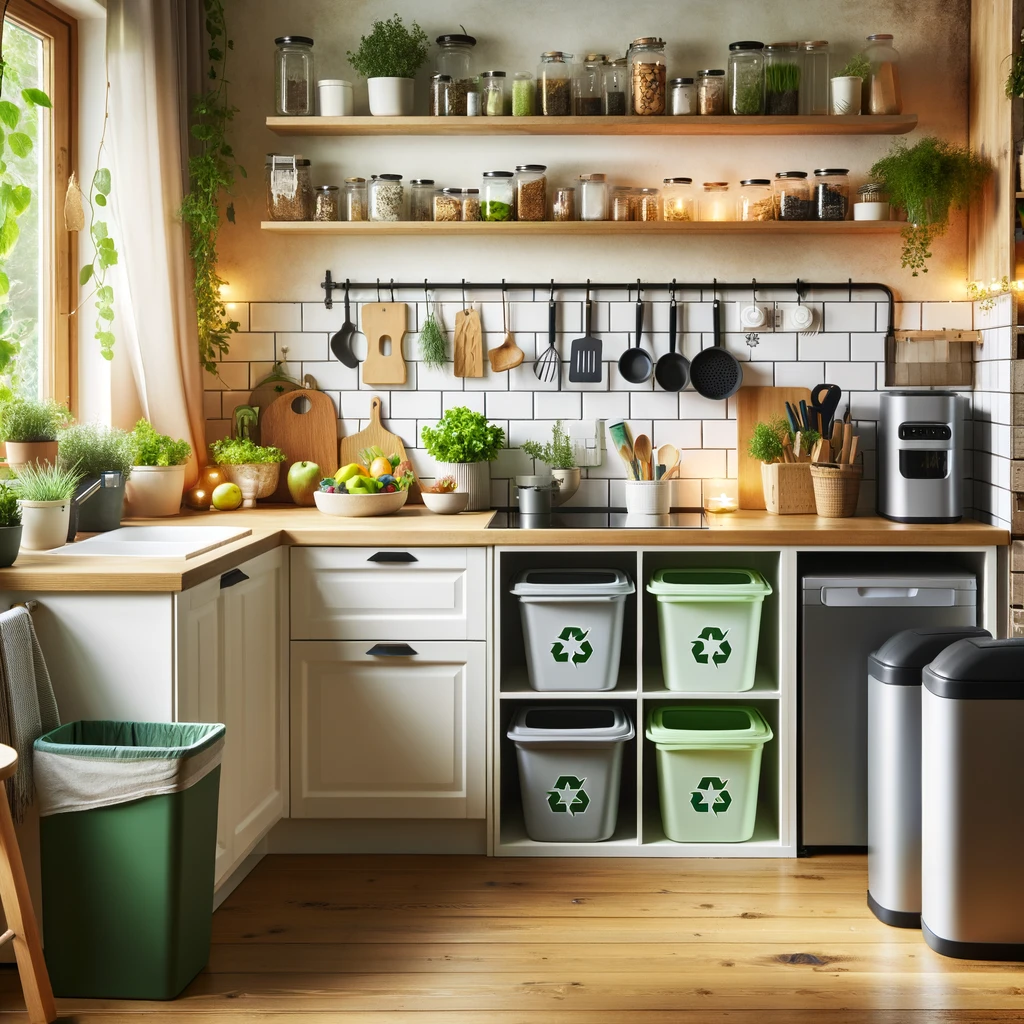
Embracing Zero Waste: Small Changes for a Sustainable Home
 0
 0
In our quest for a more sustainable lifestyle, the concept of zero waste stands out as a beacon of hope and actionable change. It’s a philosophy that encourages the redesign of resource life cycles so that all products are reused, with no trash sent to landfills or incinerators. While the idea might seem daunting at first, incorporating zero waste practices into our homes is simpler than it appears, requiring only minor adjustments to our daily routines.
The journey towards a zero-waste home begins with a fundamental shift in mindset: from a culture of disposability to one of sustainability. This shift involves rethinking how we shop, consume, and dispose of goods. The mantra “Reduce, Reuse, Recycle” becomes not just a catchy phrase but a way of life, where the priority is to reduce waste, then find ways to reuse materials, and finally, recycle what can’t be reused.
One of the most straightforward places to start is with composting. By composting organic waste, we can significantly reduce the amount of garbage sent to landfills while nourishing the earth. Whether you live in an apartment or have a spacious backyard, composting can be adapted to fit your living situation. Countertop compost bins, worm composting systems, and community compost programs make it easier than ever to transform kitchen scraps into valuable compost.
Recycling plays a crucial role in the zero-waste home. However, it’s more than just tossing items into a blue bin. Understanding what can be recycled in your community and how to sort materials properly is vital. Equally important is reducing the need for recycling by choosing products with minimal or reusable packaging. Innovative solutions like bulk buying, using cloth bags, and selecting items in recyclable packaging help minimize waste.
Another key aspect of zero waste is the choice of products we bring into our homes. Opting for eco-friendly and sustainably made items can have a profound impact. This includes everything from cleaning products to personal care items and clothing. Many companies now offer products that are not only better for the environment but also healthier for our families, often coming in biodegradable or recyclable packaging.
Water conservation is another area where small changes can lead to significant environmental benefits. Simple practices such as fixing leaks, installing low-flow fixtures, and collecting rainwater for garden use can drastically reduce water waste.
Lastly, creating a sustainable home extends to how we manage energy consumption. Embracing energy-efficient appliances, LED lighting, and renewable energy sources like solar panels can lower carbon footprints and utility bills alike.
The journey to a zero-waste lifestyle is a gradual process of making more environmentally conscious decisions each day. It’s about doing what we can, with what we have, where we are. The transition might not be flawless, and that’s okay. Every small change contributes to a larger impact, making our homes and the planet healthier for future generations.