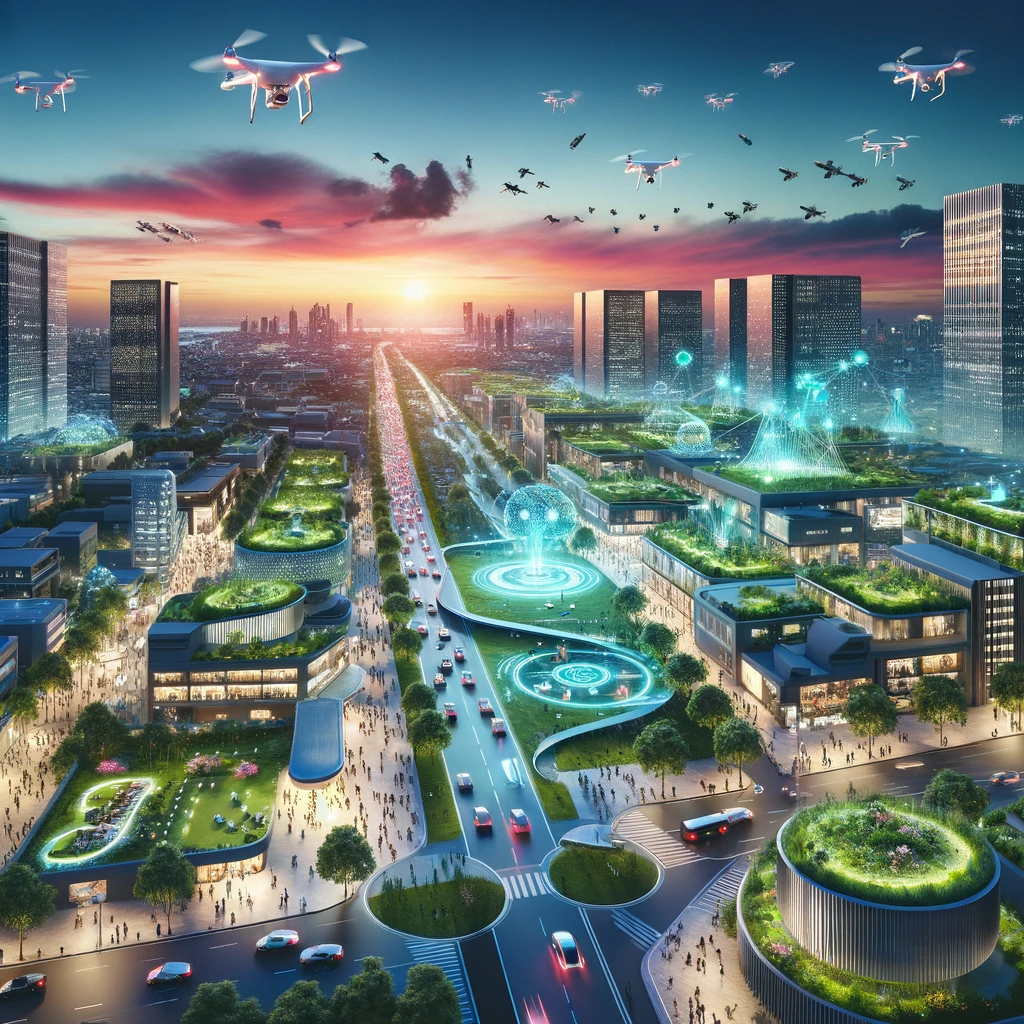
Navigating the Future: The Integration of AI in Our Daily Lives
The dawn of the 21st century has ushered in an era where artificial intelligence (AI) and machine learning are not just buzzwords but integral parts of our daily lives. From the moment we wake up to the devices that lull us to sleep, AI’s invisible hand is reshaping the way we live, work, and interact with the world around us. This technological revolution, driven by leaps in machine learning, promises to enhance our lives in ways previously confined to the realms of science fiction.
At the heart of our smart homes, AI technologies are becoming increasingly ubiquitous. Voice-activated assistants, like Alexa and Google Home, have moved beyond novelty to become central household fixtures. They control our lights, manage our schedules, and even order groceries with a simple voice command. These devices leverage machine learning algorithms to understand and predict our preferences, making our homes not just connected but truly intelligent. The evolution doesn’t stop there; AI-driven security systems and smart thermostats adjust to our habits and preferences, ensuring our comfort while optimizing energy use.
Beyond the confines of our living spaces, AI’s impact is profoundly felt in the realm of personalized healthcare. Machine learning algorithms are revolutionizing medical diagnostics and treatment plans. By analyzing vast datasets far beyond human capability, these systems can identify patterns and predict outcomes with astonishing accuracy. This capability is paving the way for more personalized medicine, where treatments and medications are tailored to the individual, drastically improving efficacy and reducing side effects.
In the transportation sector, self-driving cars and AI-assisted navigation systems promise not just convenience but a significant reduction in accidents and traffic congestion. These technologies analyze real-time data from a multitude of sensors and sources, making split-second decisions that can save lives and improve efficiency on the road. While fully autonomous vehicles are still on the horizon, the integration of AI in this field is a clear indicator of the direction we are headed.
Moreover, AI is transforming the way we interact with financial institutions and services. From fraud detection systems that safeguard our transactions to personalized financial advice and automated customer service, AI is making financial services more secure, efficient, and tailored to individual needs.
However, with great power comes great responsibility. The pervasive integration of AI in our lives raises important questions about privacy, data security, and the ethical use of technology. As we navigate this brave new world, it is crucial that these concerns are addressed through robust regulations and ethical frameworks that ensure AI technologies benefit society as a whole.
As AI continues to evolve and become more sophisticated, its potential to enhance our daily lives is boundless. Yet, it is imperative that we approach this future with a balanced perspective, embracing the benefits while vigilantly addressing the challenges. The integration of AI and machine learning into our daily activities is not just a testament to human ingenuity but a beacon guiding us towards a more efficient, safe, and personalized future.