Exploring the Metaverse: The Future of Digital Connectivity and Innovation
 0
 0
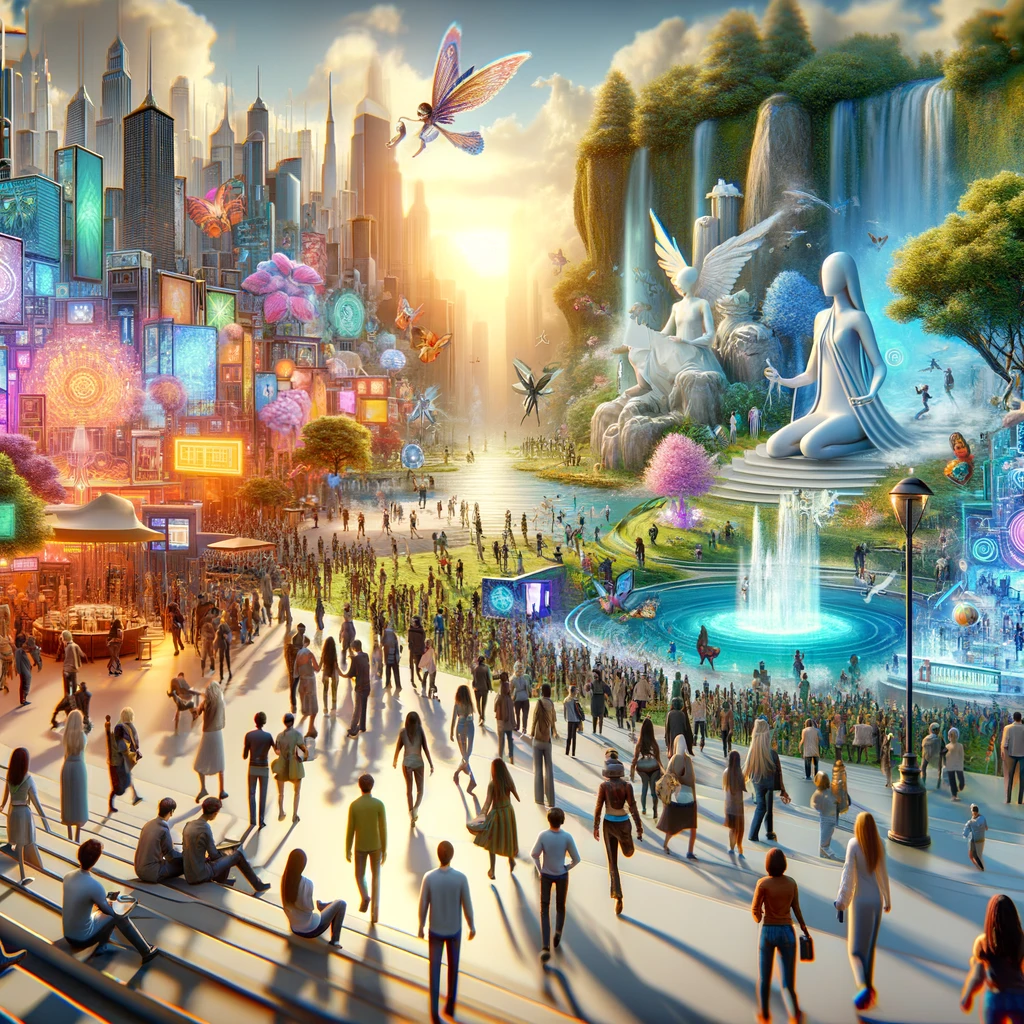
The metaverse is a concept that has captured the imagination of technologists, gamers, and futurists alike. At its core, the metaverse is envisioned as a vast, interconnected virtual space where people can meet, work, play, and socialize. This digital realm is made up of multiple virtual environments, ranging from hyper-realistic simulations of the real world to fantastical, otherworldly landscapes that defy the laws of physics.
Imagine stepping into a world where the boundaries between the physical and the digital blur, where you can don a virtual reality headset or log in through your computer and instantly be transported to a bustling digital city. Here, your avatar — a digital representation of yourself, customizable in every aspect — can walk down streets filled with virtual shops, enter buildings to attend meetings, or meet friends in virtual cafes. The metaverse extends beyond just social interactions; it encompasses a broad range of activities including gaming, education, and professional work.
The concept of the metaverse is not new, but recent technological advancements in virtual reality (VR), augmented reality (AR), blockchain, and computing power have brought us closer than ever to making it a reality. Companies like Facebook (now Meta), Microsoft, and numerous startups are investing billions into developing the infrastructure, platforms, and content needed to bring the metaverse to life.
One of the key attractions of the metaverse is its potential for creating new types of social and economic interactions. Virtual concerts, art exhibits, and educational seminars in the metaverse can be attended by people from all over the globe, removing geographical barriers and opening up new avenues for cultural exchange and learning. Economically, the metaverse presents opportunities for new business models, including virtual real estate, digital goods, and services that can be traded within these virtual environments using cryptocurrency.
However, the development of the metaverse also raises significant challenges and concerns. Issues of privacy, data security, and the digital divide are at the forefront of discussions about the metaverse. There’s also the risk of exacerbating social inequalities and creating environments that may perpetuate harmful behaviors without adequate governance and regulation.
Despite these challenges, the potential of the metaverse to transform how we interact with technology and each other is undeniable. It represents the next frontier in the internet’s evolution, moving us towards a future where our digital and physical lives become increasingly integrated. As we stand on the cusp of this new digital era, it’s clear that the metaverse will not only change the way we play and socialize but also how we work and learn, heralding a new chapter in human connectivity and innovation.