Farm to Table: The Revolution of Local Eating
 0
 0
In recent years, the farm-to-table movement has transcended trendiness to become a significant force in the way we think about food. This movement champions the consumption of locally sourced and produced food, not only as a means to eat fresher fare but also as a way to support local economies, reduce environmental impact, and promote better health. The philosophy is simple yet powerful: by choosing local foods, we reconnect with the natural cycle of the seasons and the communities that grow our food.
The benefits of local eating on health are manifold. Fresh produce loses nutrients quickly; thus, food that travels fewer miles from farm to plate is more likely to retain its nutritional value. Local food is also less likely to be heavily processed or contain preservatives, making it a healthier option overall. Moreover, local eating encourages a diverse diet. Small, local farms are more likely to grow a variety of fruits and vegetables, offering consumers a rainbow of nutrients.
The environmental advantages of local eating are equally compelling. Food transportation across great distances consumes large quantities of fossil fuels, contributing to greenhouse gas emissions. Local food systems, by contrast, minimize these transportation distances, thereby reducing the carbon footprint associated with our food. Furthermore, local farmers are often more invested in sustainable farming practices than their industrial counterparts, as they have a direct relationship with the land and their community.
Economically, supporting local farmers and producers keeps money circulating within the community, fostering economic growth and stability. Money spent on local food generates income for local farmers and creates jobs within the community, from agricultural workers to those involved in food processing and retailing. This economic cycle helps build a resilient local economy less susceptible to global market fluctuations.
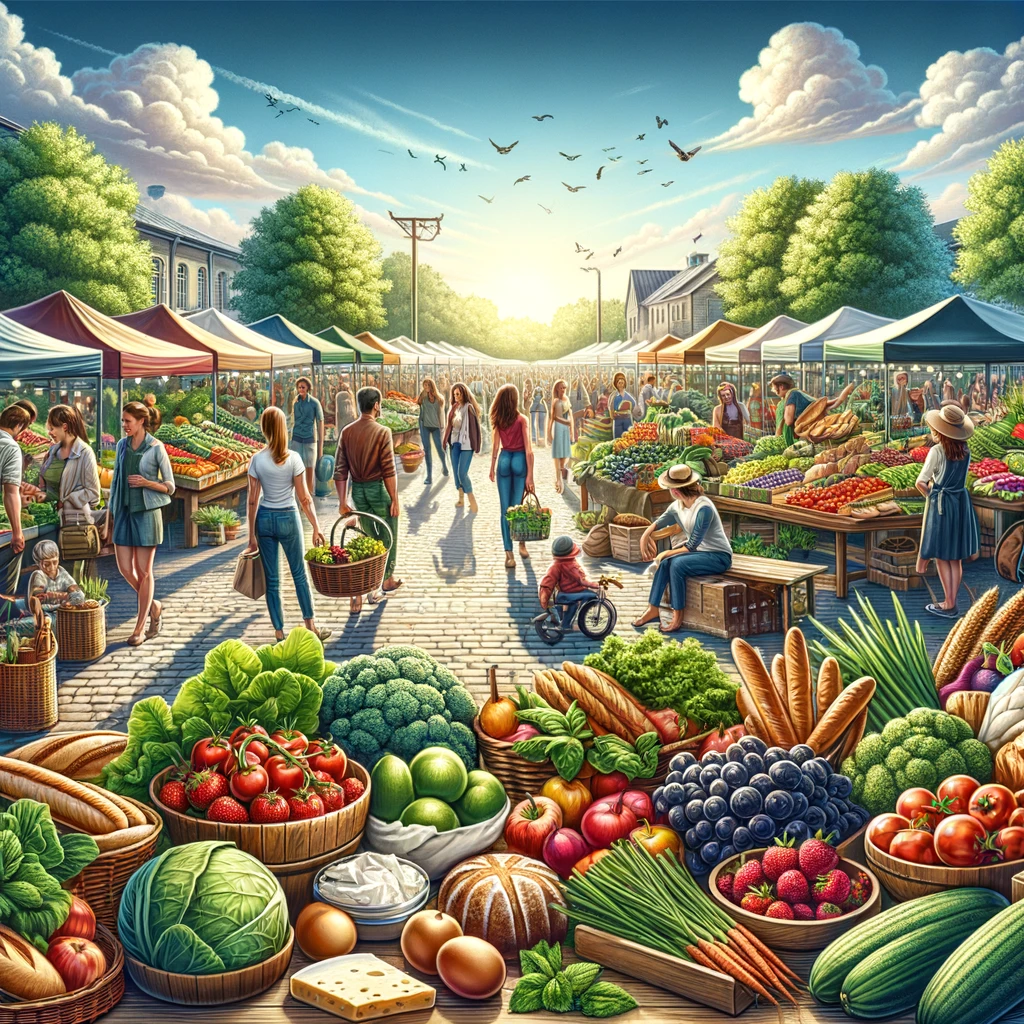
So, how can readers support local farmers and producers? The most direct way is by shopping at local farmers’ markets, which are a vibrant showcase of the community’s agricultural bounty. These markets not only provide access to fresh, seasonal produce but also create a space for consumers to meet and build relationships with the people who grow their food. Additionally, many communities offer community-supported agriculture (CSA) programs, where consumers can purchase a share of a farm’s harvest and receive regular deliveries of fresh produce throughout the growing season.
Another way to support local eating is by choosing restaurants and cafes that source their ingredients locally. This not only guarantees a meal of fresh, flavorful food but also supports the local agriculture and food economy. Finally, advocating for local food at schools, hospitals, and other institutions can help shift systemic purchasing habits towards more sustainable and community-oriented practices.
The farm-to-table movement is more than just a culinary trend; it’s a comprehensive approach to food that values nutrition, environmental stewardship, and economic vitality. By choosing to eat locally, we contribute to the health of our bodies, our planet, and our communities. The revolution of local eating, then, is not just about where our food comes from but about re-establishing a connection to the land and the people who nourish us.