The Renaissance of Digital Art: NFTs and the Future of Creativity
 0
 0
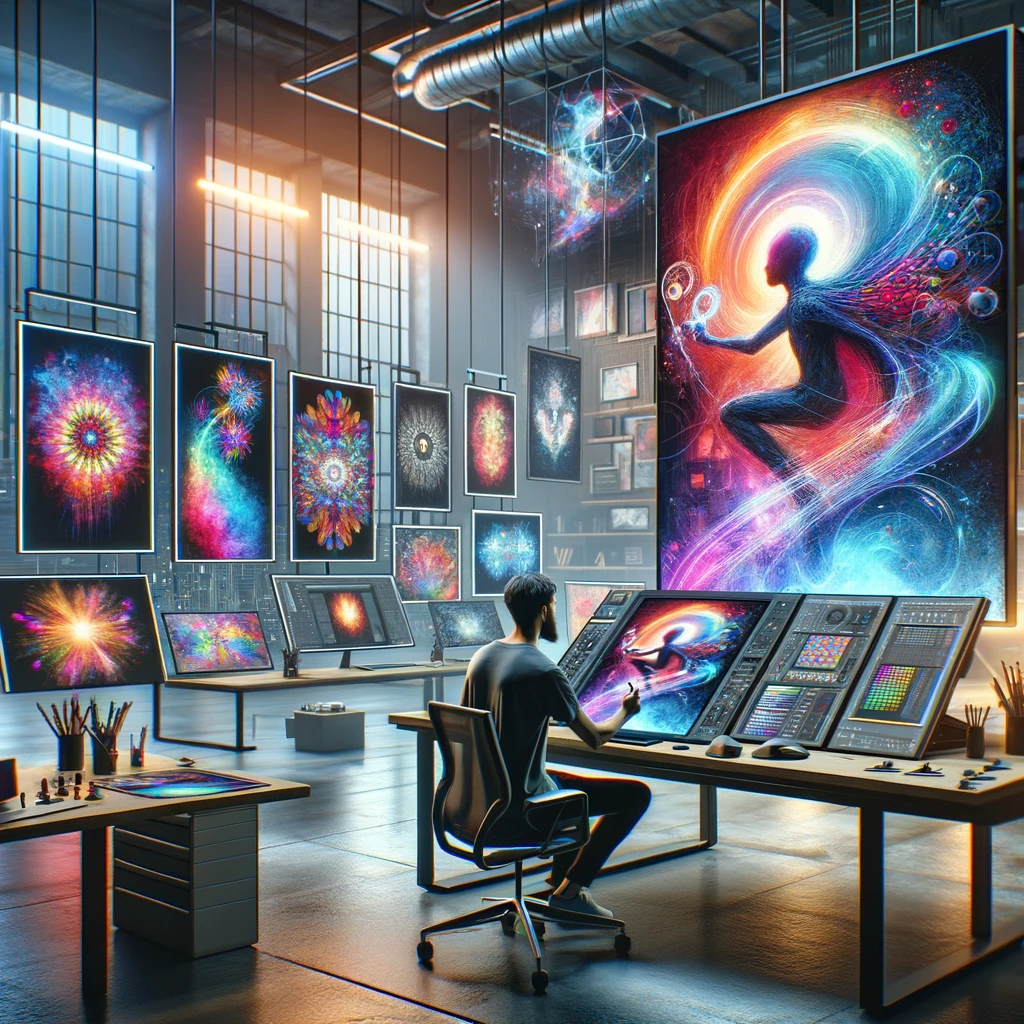
The advent of digital art marked a significant evolution in the creative world, offering artists new mediums and tools to express their imagination. However, it was the emergence of Non-Fungible Tokens (NFTs) that truly revolutionized the art scene, heralding a new era that merges technology, ownership, and creativity in unprecedented ways. This fusion not only redefines the value of art in the digital age but also reshapes the relationship between artists and their audiences.
NFTs, at their core, are digital assets verified using blockchain technology, which ensures the uniqueness and ownership of each piece. This technology has opened up new avenues for digital artists, who previously faced challenges in claiming ownership and monetizing their digital creations. Through NFTs, digital art can now be bought, sold, and collected, much like traditional art. This shift not only validates digital art as a legitimate form of artistic expression but also empowers artists with more control over their work and its distribution.
The impact of NFTs on artists is profound. For the first time, digital creators can enjoy the benefits of scarcity and provenance, attributes traditionally reserved for physical art. This has led to a democratization of art, where artists outside the conventional art world systems can gain recognition and financial rewards directly from the global market. Social media and digital platforms play a crucial role in this ecosystem, providing artists with the means to showcase their work to a wider audience, engage with fans, and create art with the potential to go viral.
Moreover, the rise of NFTs is pushing the boundaries of copyright and ownership in the digital realm. The blockchain’s transparency and immutability ensure that each artwork’s history is traceable, from its creation to its current owner, effectively combating issues of copyright infringement that have plagued digital creators for years. This not only protects artists’ rights but also offers collectors genuine assurance of the authenticity and exclusivity of their acquisitions.
Looking to the future, the potential of NFTs and digital art is vast. We are beginning to see innovative uses of NFTs that go beyond static images, including interactive art, multimedia projects, and virtual reality experiences. These advancements hint at a future where art is not only something to be viewed but also experienced, blurring the lines between the creator, the artwork, and the audience.
As we stand on the cusp of this new frontier, questions about the sustainability, environmental impact, and regulatory challenges of NFTs remain. Yet, the momentum behind digital art and NFTs is undeniable. They represent a significant shift in how we perceive, value, and interact with art. In this digital renaissance, creativity is no longer confined by physical boundaries, and artists are empowered to explore the limitless possibilities of the digital canvas.
The marriage of art and technology through NFTs is not just a trend; it is a testament to the enduring power of creativity and innovation. As we move forward, the fusion of these realms promises to further expand the horizons of what is possible, marking a new chapter in the history of art where the digital and the tangible intertwine in exciting and transformative ways.